

株式会社易事通(ETS)
With You Every Step of the Way
International Medical Coordination: Total Peace of Mind for Your Health.
News & Case Studies
Japan Medical Updates & Patient Guides
Stay informed on Japan’s latest medical breakthroughs, official healthcare visa regulations, and real patient journeys coordinated by our agency. Reliable insights for your treatment path.
Comprehensive Network
Connecting 40+ Trusted Japanese Hospitals
From advanced university medical centers to highly specialized clinics and preventive care facilities. We operate a multi-tiered referral network to match your specific health needs with the most appropriate medical professionals in Japan.

National Cancer Center Hospital East
Since its establishment in 1992, the National Cancer Center Hospital East has developed a range of advanced medical facilities to provide the highest standard of cutting-edge care. These include Japan’s first palliative care facility at a national hospital, one of the country’s largest endoscopic treatment centers, and Japan’s first proton beam therapy facility.

Proton Therapy Center, University of Tsukuba Hospital
At the Proton Beam Therapy Center of the University of Tsukuba Hospital, three specialized medical teams—physicians, medical physicists, and radiological technologists—work closely with specialist nurses to provide each patient with the treatment approach best suited to their individual needs.
QST Hospital
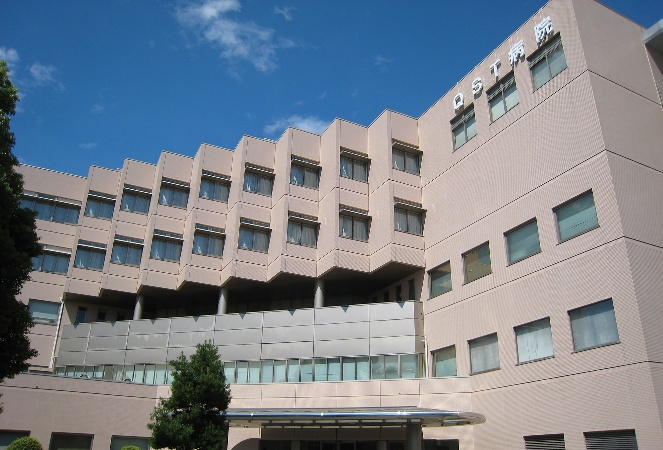
The National Institute of Radiological Sciences, the predecessor of QST, was established in 1957. It is a research hospital based on radiological science, specializing in diagnostic imaging and radiation therapy for cancer, nuclear medicine, and emergency radiation medicine. The hospital provides heavy-ion cancer therapy and is one of the world’s most experienced medical institutions in this field.
Center Hospital of the National Center for Global Health and Medicine
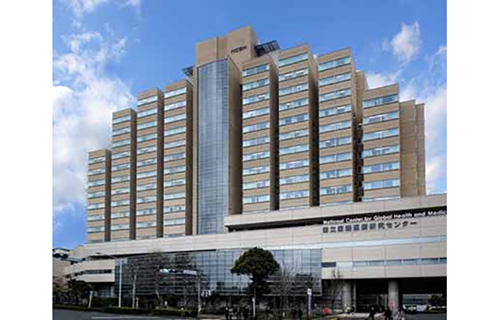
Established in 1868, the hospital draws on its extensive experience to provide highly accurate health screening services. It is equipped with advanced facilities to ensure reliable diagnoses. Patients can receive prompt treatment, as well as lifestyle guidance to help prevent hypertension and diabetes. Its key features include emergency care, intensive care, and an international infectious diseases center. The hospital also provides highly precise surgical procedures and specialized treatment services.
National Cancer Center Hospital East
Since its establishment in 1992, the National Cancer Center Hospital East has developed a range of advanced medical facilities to provide the highest standard of cutting-edge care. These include Japan’s first palliative care facility at a national hospital, one of the country’s largest endoscopic treatment centers, and Japan’s first proton beam therapy facility.
Proton Therapy Center, University of Tsukuba Hospital
At the Proton Beam Therapy Center of the University of Tsukuba Hospital, three specialized medical teams—physicians, medical physicists, and radiological technologists—work closely with specialist nurses to provide each patient with the treatment approach best suited to their individual needs.
QST Hospital
The National Institute of Radiological Sciences, the predecessor of QST, was established in 1957. It is a research hospital based on radiological science, specializing in diagnostic imaging and radiation therapy for cancer, nuclear medicine, and emergency radiation medicine. The hospital provides heavy-ion cancer therapy and is one of the world’s most experienced medical institutions in this field.
Center Hospital of the National Center for Global Health and Medicine
Established in 1868, the hospital draws on its extensive experience to provide highly accurate health screening services. It is equipped with advanced facilities to ensure reliable diagnoses. Patients can receive prompt treatment, as well as lifestyle guidance to help prevent hypertension and diabetes. Its key features include emergency care, intensive care, and an international infectious diseases center. The hospital also provides highly precise surgical procedures and specialized treatment services.
National Cancer Center Hospital East
Since its establishment in 1992, the National Cancer Center Hospital East has developed a range of advanced medical facilities to provide the highest standard of cutting-edge care. These include Japan’s first palliative care facility at a national hospital, one of the country’s largest endoscopic treatment centers, and Japan’s first proton beam therapy facility.
Proton Therapy Center, University of Tsukuba Hospital
At the Proton Beam Therapy Center of the University of Tsukuba Hospital, three specialized medical teams—physicians, medical physicists, and radiological technologists—work closely with specialist nurses to provide each patient with the treatment approach best suited to their individual needs.
QST Hospital
The National Institute of Radiological Sciences, the predecessor of QST, was established in 1957. It is a research hospital based on radiological science, specializing in diagnostic imaging and radiation therapy for cancer, nuclear medicine, and emergency radiation medicine. The hospital provides heavy-ion cancer therapy and is one of the world’s most experienced medical institutions in this field.
Center Hospital of the National Center for Global Health and Medicine
Established in 1868, the hospital draws on its extensive experience to provide highly accurate health screening services. It is equipped with advanced facilities to ensure reliable diagnoses. Patients can receive prompt treatment, as well as lifestyle guidance to help prevent hypertension and diabetes. Its key features include emergency care, intensive care, and an international infectious diseases center. The hospital also provides highly precise surgical procedures and specialized treatment services.
National Cancer Center Hospital East
Since its establishment in 1992, the National Cancer Center Hospital East has developed a range of advanced medical facilities to provide the highest standard of cutting-edge care. These include Japan’s first palliative care facility at a national hospital, one of the country’s largest endoscopic treatment centers, and Japan’s first proton beam therapy facility.
Proton Therapy Center, University of Tsukuba Hospital
At the Proton Beam Therapy Center of the University of Tsukuba Hospital, three specialized medical teams—physicians, medical physicists, and radiological technologists—work closely with specialist nurses to provide each patient with the treatment approach best suited to their individual needs.
QST Hospital
The National Institute of Radiological Sciences, the predecessor of QST, was established in 1957. It is a research hospital based on radiological science, specializing in diagnostic imaging and radiation therapy for cancer, nuclear medicine, and emergency radiation medicine. The hospital provides heavy-ion cancer therapy and is one of the world’s most experienced medical institutions in this field.
Center Hospital of the National Center for Global Health and Medicine
Established in 1868, the hospital draws on its extensive experience to provide highly accurate health screening services. It is equipped with advanced facilities to ensure reliable diagnoses. Patients can receive prompt treatment, as well as lifestyle guidance to help prevent hypertension and diabetes. Its key features include emergency care, intensive care, and an international infectious diseases center. The hospital also provides highly precise surgical procedures and specialized treatment services.
Workflow
Four steps from data collection to operational optimization
The public front-end clearly presents the workflow and steps, helping visitors understand the product operation flow.
Appointment
The appointment process begins with an assessment by a medical specialist. The patient must prepare relevant medical information, including their medical history, clinical records and examination results. These documents must then be translated into Japanese and submitted to the selected hospital in Japan.
Consultation
After reviewing the patient’s medical history, family history, diagnosis, current symptoms, previous treatments, and medication history, we select the most appropriate medical institution or renowned specialist according to the patient’s specific medical needs and expectations, and arrange a consultation or second medical opinion.
Medical Stay Visa
Before treatment at a Japanese medical institution, a specialist must assess whether the patient can be accepted. Medical history, records, test results, imaging, pathology, symptoms, previous treatments, and medications are compiled, translated into Japanese, and submitted to the preferred hospital. The specialist then evaluates treatment suitability. If accepted, the patient receives a proposed plan, schedule, and estimated costs. If not, reasons and possible alternatives may be provided.
Medical Care
After arriving in Japan, patients will visit the medical institution arranged in advance and will be accompanied by a professional medical interpreter. This service helps ensure clear and accurate communication with physicians while reducing concerns and misunderstandings caused by language differences.
Government-Registered Guarantor Agency
Your Authorized Gateway to Japan’s Elite Healthcare
As an officially licensed International Medical Coordinating & Guarantor Agency , we sponsor your medical stay visa and secure priority access to Japan’s premier hospitals with total peace of mind.



FAQ
Frequently asked questions
The public front-end answers core questions about security isolation, data integration, and future expansion.
GET IN TOUCH
Contact Us
Feel free to contact us about our services and how the process works.